1. Research and strategy development
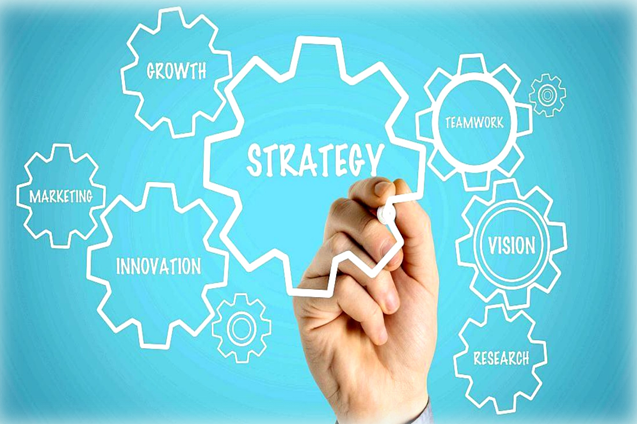
A study of socio-economic and environmental processes in Central Asia , which represents a unique combination of cultures, languages, religions and historical heritage. Our research findings inform the development of strategies to address challenges and threats in Central Asia, including humanitarian crises, economic hardships, natural disasters, and external factors. Our proposals are based on a deep understanding of regional specificities, historical contexts, and current dynamics.

2. Support for integration initiatives
Integration in Central Asia is a complex and multifaceted process, covering economic and cultural relations between the peoples of the region. Our activities include a number of initiatives aimed at developing cooperation and interaction between countries. The future of integration in Central Asia lies in increased cooperation and the development of joint strategies to ad dress common problems, as well as more active interaction between the peoples of the region.

3. Promoting interethnic cooperation
Central Asia is characterized by a diversity of ethnic
groups, cultures, languages and religions, which makes
intercultural dialogue particularly relevant.
We use a comprehensive approach to promoting
intercultural dialogue in Central Asia, involving all sectors of
society, including government, civil society and the private
sector. Creating conditions for mutual understanding, respect
and cooperation between different cultures and ethnic groups
significantly strengthens social cohesion and stability in the
region.
4. Implementation of humanitarian operations
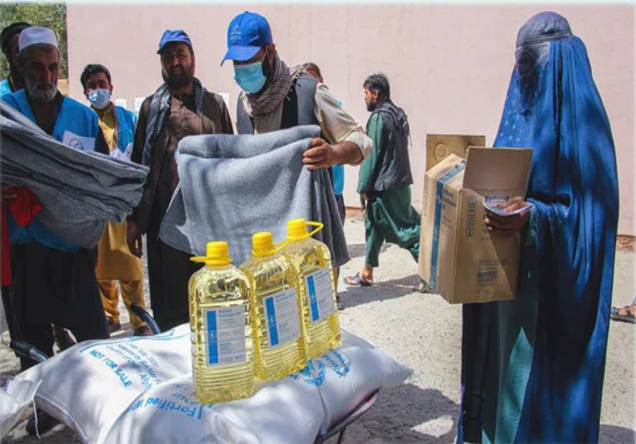
Humanitarian operations in Afghanistan are one of the main and important tasks of the organization, aimed at meet ing the basic needs of the population. The organization works to ensure food security, medical assistance, and the delivery of essential resources to areas affected by conflicts and natural disasters. At the same time, special attention is paid to ensuring the safety of humanitarian workers and local volunteers.

5. Promoting economic development
Our efforts to support the development of progressive
economies in Central Asia and Afghanistan involve the
development and implementation of innovative, sustainable
and inclusive economic models that promote economic
growth, improved living standards and social stability in the
region.
We strive to achieve a coordinated approach at all levels –
from governments to the private sector and civil society,
whose joint efforts can create a stable and sustainable eco
nomic environment that promotes sustainable development
and improves the quality of life of the population.
6. Achieving the Sustainable Development Goals
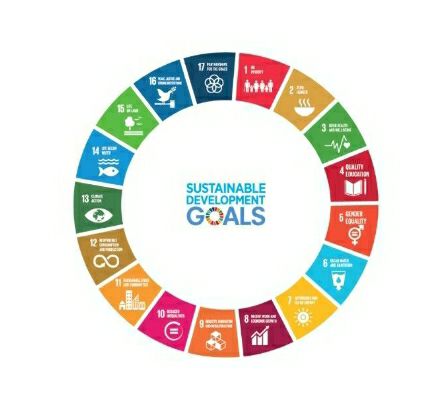
Achieving the Sustainable Development Goals, adopted at the 2015 UN Sustainable Development Summit, represents a significant challenge for Central Asia and Afghanistan. The region faces a number of socio-economic, environmental and political issues that could impact the achievement of these goals. As Central Asia continues to develop, achieving the SDGs is a key goal for governments, institutions and civil society. Our goal is to attract support from the international community to overcome existing challenges and create a sustainable future for the region.